


7 Best Villages in Tuscany for Slow Travel

Updated: Sep 8
This article contains affiliate links. If you book through one of these links, Truly Italy may earn a commission at no additional cost to you.
If you're searching for the best villages in Tuscany for slow travel, don't just pick the town with the most attractions. There’s a significant difference between a village I’d like to visit and one that’s ideal to stay in for a week or longer.
Tuscany's villages serve as the backdrop for some of the most iconic films, like San Gimignano and Cortona, attracting travelers from around the globe. However, when I’m choosing a home base for a slower trip, I seek something different.
I crave the essence of everyday village life. I want a bar where I can return for my morning coffee and build a rapport with the barista. A piazza where locals gather, restaurants, and essential services within walking distance, and access to the countryside. I desire enough nearby attractions to enjoy without the need to pack up and move every couple of days.
Because the best village in Tuscany isn't necessarily the one with the most sights.
It's the one where you'd be content spending an ordinary Tuesday.
How to Choose the Best Village for Slow Travel in Tuscany
Criteria for Evaluating Villages
I judge villages in Tuscany for slow travel based on several key criteria:
Everyday village life
Walkability
Availability of restaurants, cafés, grocery stores, and basic services
Local character
Access to surrounding Tuscany
Manageable tourism
Enough to enjoy for several days without needing a packed itinerary
Here are the 7 villages in Tuscany that meet those criteria:

1. Barga
Why stay here?
Barga is nestled between the Apuan Alps and Apennine mountains. It offers a peaceful, tourist-free alternative to major Tuscan cities while placing you close to breathtaking mountain and valley landscapes.
What life feels like
Life in Barga is slow, intimate, and deeply connected to nature. It flows with the gentle rhythm of daily community rituals rather than the frantic pace of tourists. Locals gather in Piazza Salvi and outside historic spots like DA ARISTO, an osteria and bar. Piazzale Matteotti serves as a meeting point, and families flock to Pasticceria Fratelli Lucchesi for morning pastries or late-afternoon espressos.
What you can explore nearby:
Devil’s Bridge (Ponte della Maddalena) - This medieval bridge in Borgo a Mozzano features impressive, asymmetrical stone arches dating back to 1100 AD.
Fortezza Verrucole Archeopark - A remarkably well-preserved medieval fortress perched on a high ridge.
Grotta del Vento - A vast cave system in the Apuan Alps Nature Reserve, showcasing narrow paths winding past underground lakes, thrilling stalactites, and bottomless pits.
Good to know:
The Train Station is Far Away - The Barga-Gallicano train station is located at the bottom of the valley, requiring a steep 2.5-kilometer uphill climb to reach the historic village. Renting a car is essential here; otherwise, you may find yourself waiting for public transit or a private taxi.
Never Drive Inside the Historic Walls (ZTL Zone) - The entire medieval center (Barga Vecchia) is a strictly enforced ZTL (Restricted Traffic Zone) monitored by cameras. Parking options include Parcheggio Matteotti or along Via del Fosso (look for the blue paid parking lines).
Pack Light and Wear Rubber-Soled Shoes - Barga is a vertical hill town built on a steep mountain ridge. The uneven cobblestone streets and steep stone staircases can be challenging. Dragging heavy luggage can be exhausting, and smooth-soled shoes or heels pose a slip hazard on these cobblestones.
Choose Barga if you want mountain views, nature, hiking, and a different side of Tuscany.

2. Loro Ciuffenna
Why stay here?
Loro Ciuffenna offers a calming experience away from the crowds. This village features stone houses clinging to a river canyon, an active historic water mill, and the slopes of the Pratomagno mountains.
What life feels like
The two piazzas are the heart of the village. Piazza Matteotti in the old town serves as a cozy meeting place, while Piazza Garibaldi across the bridge offers benches overlooking the river and a fresh mountain water fountain. Centrale Srl is located right on Piazza Matteotti, where locals stop by for morning pastries, afternoon gelato, or a pre-dinner Aperol spritz. Every Monday morning, Piazza Garibaldi transforms into a bustling street market, with vendors offering fresh produce, clothing, cheeses, and local food truck specialties.
What you can explore nearby:
Badia di San Salvatore a Soffena - This church is an architectural gem located outside Castelfranco di Sopra. It is rarely crowded, allowing you to admire 15th-century Renaissance frescoes painted by the brother of the master artist Masaccio.
Bucine - Tucked into a valley, this quiet village has been designated as an international "Cittaslow" (Slow City).
Il Borro Artisans - Near the luxury resort estate, Il Borro, the cobblestone alleys of the ancient medieval village are open for wandering. Here, local shoemakers, weavers, and jewelry artisans preserve traditional Italian craftsmanship.
Good to know:
Rushing Water: The gorgeous gorge running through the center means the entire town has a constant, natural backdrop of rushing water. If you're a light sleeper, request a bedroom facing away from the river.
Early Restaurant Reservations: Dinner starts later, with trattorias typically opening around 7:30 PM. Reservations are essential on weekends since they cater to the local crowd.
Free Parking: You'll need to park your car outside the medieval city walls. The best, spacious option is the free parking lot located just below the town center on Via Pratomagno.
Choose Loro Ciuffenna if you want nature on your doorstep, quiet village life, an authentic setting where Italian is exclusively spoken, and natural beauty.

3. Casole d'Elsa
Why stay here?
Casole d'Elsa features ancient walls and a walking path around the intact 14th-century oval fortress and towers. You can unwind in quiet piazzas with family-run trattorias, cafes, and gelato shops.
What life feels like
Life here is unhurried, intimate, and deeply connected to age-old Tuscan traditions. Daily life revolves around charming local spots like Caffè Casolani, which serves as a cozy cafe by day and an osteria/wine bar by night. Piazza della Libertà is bordered by historical buildings and outdoor seating, connecting the village's history. In the summer, concerts create a vibrant evening atmosphere as bars host open-air live music right on the street.
What you can explore nearby:
San Gimignano - A famous UNESCO World Heritage site known for its spectacular skyline of 14 preserved towers.
Colle di Val d'Elsa - A town split into a modern lower village and a historic upper village, producing 15% of the world's crystal. You can also hike the scenic Sentierelsa Trail along a turquoise river.
Sovicille - A quiet village nestled in the Montagnola Senese hills, featuring dense oak forests, old stone bridges, and hidden Romanesque churches.
Good to know:
The Palio di Casole: Every July, the village hosts its own traditional bareback horse race (Palio), where local districts compete for a painted silk banner, followed by massive communal dinners.
Casole d'Elsa boasts deep Etruscan roots dating back over 2,000 years. These local hills served as an Etruscan settlement.
The village is also home to the operational base for the Ducati Pramac MotoGP racing team, blending high-speed global racing prestige with the tranquil rural Tuscan hills.
Choose Casole d'Elsa if you want rich artistic community vibes away from the crowds in the heart of Tuscany.

4. Radicondoli
Why stay here?
Radicondoli is a deeply rooted village with warm, welcoming locals. It sits atop a rugged hill in the Sienese hills, surrounded by dense forests stretching toward the Maremma coast.
What life feels like
Life in Radicondoli feels like stepping into a tight-knit rural community where time slows down, and everyone eventually learns your name. There's a local COOP grocery store and bakery, allowing you to connect with locals rather than rushing through checkout lines. Located directly on the main street, Il Nazionale 2.0 serves as the neighborhood bar, meeting place, and restaurant. It’s a friendly morning espresso bar, a casual lunch spot, and a lively aperitivo (happy hour) venue for drinks and pizza.
What you can explore nearby:
Abbey of San Galgano - A spectacular, roofless 13th-century Gothic cathedral nestled in a valley. A short walk uphill leads to the Hermitage of Montesiepi, which houses Italy's real "Sword in the Stone."
Mensano - A tiny fortified hamlet built along a narrow limestone ridge, famous for its Romanesque church featuring unique, hand-carved stone columns.
Chiusdino - A remarkably steep, uncrowded medieval town clinging to a rocky spur, with pristine stone houses, winding staircases, and sweeping views of the Merse valley. You can also visit the birthplace of San Galgano.
Good to know:
A Car is Mandatory: Public transportation is extremely limited. You will absolutely need a car to reach the village, buy groceries outside town, and explore the region.
Virtually No Mass Tourism: Unlike San Gimignano or Chianti villages, Radicondoli remains un-touristy. You will experience authentic local life, but English is less widely spoken.
Summer Festivals: During summer festivals, the tiny town fills up completely, making parking and restaurant tables hard to come by without planning ahead.
Choose Radicondoli if you want immersive Tuscan village life.
Staying in Radicondoli? Staying in or near the village gives you the chance to experience Radicondoli after the day-trippers leave and settle into the rhythm of everyday village life.

5. Suvereto
Why stay here?
A stay in Suvereto places you in one of Italy's most beautiful medieval villages (Borghi più belli d'Italia), just 15 minutes from the Tuscan coast and surrounded by the world-class vineyards of the Val di Cornia wine region. The village is enveloped by ancient cork oak forests, featuring a fortress-like layout anchored by the 13th-century Rocca Aldobrandesca castle ruins and the Palazzo Comunale.
What life feels like
Life in Suvereto is a vibrant blend of seaside air, hearty woods, and deeply rooted agricultural pride, set against a backdrop of sun-warmed medieval stone. This thriving Maremma community feels lived-in and active. Thanks to its proximity to the sea, the town maintains a lively network of shops, bars, and piazzas throughout the year.
What you can explore nearby:
Campiglia Marittima - A medieval stone village perched on a hill facing the sea, featuring winding alleys, local craft shops, and stunning vistas.
Golfo di Baratti - A crescent-shaped bay with clear turquoise water and pine tree-lined sandy beaches, perfect for an afternoon swim or a seafood dinner at sunset.
Populonia - The only Etruscan city built right on the coast, where you can explore the Archaeological Park of Baratti, visit 2,500-year-old cliffside tombs, and a medieval fortress.
Good to know:
Balanced Regional Tourism: You’ll encounter tourists—mostly Italian and European who love wine and beach travel—rather than overwhelming mass tour buses. English is reasonably well understood in local shops and restaurants.
Fewer Winter Closures: Because it’s close to a working coastal agricultural area, it doesn’t completely shut down in winter, although weekday hours may still be limited.
Palio delle Botti: Every August, the village hosts a national barrel-rolling competition where contestants race heavy wooden wine barrels up the steep historic cobblestone streets.
Choose Suvereto if you want wine, Etruscan ruins, and the chance to explore coastal Tuscany.

6. Chiusdino
Why stay here?
Chiusdino places you at the doorstep of the iconic, roofless Abbey of San Galgano and the real-life Sword in the Stone at Montesiepi, all wrapped in a dramatic, steep medieval mountain setting. It’s far from the mass tourist zones, with steep, traffic-free cobblestone streets and authentic brick buildings offering a quiet Tuscan country life.
What life feels like
Daily life here is quiet and steeped in a medieval atmosphere. The village moves up and down steep, winding stone alleys, ancient archways, and staircases that separate the historic Portino and Le Buche districts. Piazza Giuseppe Garibaldi, the central piazza, serves as the meeting point for locals. It’s an open-air terrace overlooking the valleys below, where residents gather to chat in the sun. There’s a weekly market on Thursday mornings, featuring fresh regional produce, local cheeses, housewares, and affordable clothing.
What you can explore nearby:
Riserva Naturale Basso Merse - A protected woodland area surrounding the Merse River, filled with hiking paths, old stone watermills, and wildlife.
Abbey of San Galgano & Montesiepi - Just 10 minutes down the hill from the main village, this site features the roofless 13th-century Gothic cathedral standing in an open field, along with the nearby circular hermitage housing Italy's real "Sword in the Stone."
Montieri - A high-altitude medieval mining village nestled on the slopes of the Poggio di Montieri (1,051 meters) in the Tuscan metal-containing hills. Historically known for its rich silver and copper deposits, it blends raw medieval stone architecture with deep chestnut forests and advanced green geothermal energy.
Good to know:
A Car is Essential: Public transit is extremely limited; you cannot rely on buses to explore surrounding nature reserves or reach the famous abbey ruins.
Sturdy Footwear Required: To walk in this village, sturdy footwear is necessary, as the streets are uneven and can be slippery when wet.
Advance Booking Mandatory: During peak summer months, you must reserve your dinner tables well in advance.
Choose Chiusdino if you want to be off the busy Tuscan tourist routes.
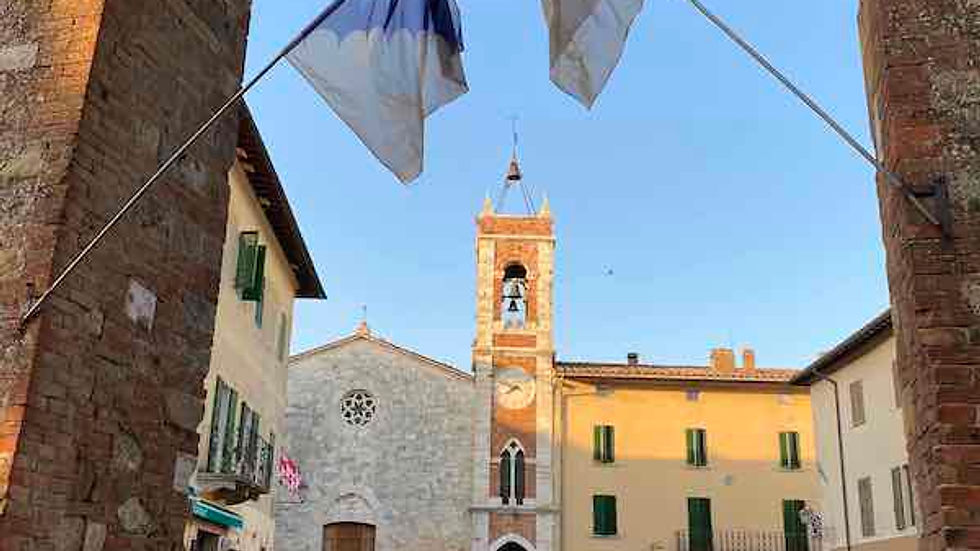
7. San Quirico d'Orcia
Why stay here?
This UNESCO World Heritage site is famed for its rolling golden hills, perfect rows of cypress trees, and world-class culinary stops. It sits centrally between Montalcino (15 minutes), Montepulciano (25 minutes), and Pienza (10 minutes), allowing you to explore the valley's top art and wine towns with minimal travel.
What life feels like
San Quirico d'Orcia balances the easygoing calm of a Tuscan village with the quiet foot traffic of international travelers. Unlike busy big cities, the town feels refined yet deeply relaxed. Stone-carved fountains, medieval Romanesque churches, and neighborhood cats share the calm rhythm of the day. Piazza della Libertà is the main piazza and central meeting point, bordered by the church of San Francesco and welcoming storefronts.
What you can explore nearby:
Bagno Vignoni - Located just 5 minutes away, this unique village features a massive, steaming 16th-century thermal pool right in its center.
Montalcino - A powerful medieval hilltop fortress town famous worldwide for producing Brunello di Montalcino, one of Italy's most prestigious red wines.
Pienza - This gem is also a UNESCO World Heritage site, featuring elegant palaces, romantic alleyways named after amore, and shops overflowing with local Pecorino cheese.
Good to know:
A Rare Flat Village: Unlike 90% of Tuscan hilltop villages that force you to climb steep vertical staircases, San Quirico's center is remarkably level.
The Spring and Fall Surge of Photographers: While no big tour buses crowd the village like nearby Pienza or San Gimignano during summer, spring and autumn bring a wave of international landscape photographers capturing the local cypress trees and surrounding rolling hills.
The Social Meeting Point: Life centers along the paved main street of Via Dante Alighieri, connecting beautiful stone fountains, medieval gates, and the bustling central piazza of Piazza della Libertà.
Choose San Quirico if you want to experience the Val d'Orcia at a slower pace.
Best Tuscan Villages by Travel Style
If you want... | Consider... |
Deep village life | Radicondoli |
Mountains & nature | Barga |
Central Tuscany | Casole d'Elsa |
Val d'Orcia | San Quirico d'Orcia |
Wine + coast | Suvereto |
Very few tourists | Chiusdino |
How to Choose the Best Tuscan Village for Your Trip?
You don't need to see all of Tuscany to fall in love with it.
Slow travel isn't about doing nothing. It’s not about seeing less just for the sake of it. It's about giving yourself enough time to actually experience where you are.
Don't start by asking:
What do I need to see?
Start by asking:
How do I want this trip to feel?
Check out this article for more guidance: How to Choose the Right Home Base in Tuscany.
You don't need to find Tuscany's “best” village.
You don't need to find Tuscany's “best” village. You need to find the village that feels right for the way you want to travel.
Some travelers want wine country outside their door. Others seek mountains, a quiet piazza, easy day trips, or a place where they'll start recognizing the person making their morning coffee.
Choose the place where you'd be happy to wake up, wander out the door, and have absolutely nowhere you need to be.
That's slow travel.
Remember my Slow Travel motto:
Stay longer.
Rush less.
Connect more.
You don't need to see all of Tuscany to experience it.
See less. Feel more.
Ready to Slow Down in Tuscany?
Choosing the right village is just the beginning. The best slow trips aren't built around how many places you can fit into a week. They’re built around how you want that week to feel.
If you're dreaming about a Tuscany trip with fewer checklists and more connection, start with my free Slow Tuscany Starter Kit.
It’ll help you begin planning a trip with more intention—and a lot less rushing.
Keep Planning Your Slow Tuscany Trip
→ How to Plan a Slow Week in Tuscany - Learn how to create a week filled with meaningful experiences, day trips, and plenty of room to simply enjoy where you are.
→ How to Choose the Right Home Base in Tuscany - Not sure which village is right for you? Start with the kind of Tuscany experience you want, then choose your home base around it.


Comments