


Slow Travel in Tuscany
See less. Feel more.
Most travelers try to see Tuscany.
We believe you'll remember it more if you slow down long enough to truly experience it.

Tuscany is not meant to be rushed through.
It is meant to be lingered in: a morning coffee in the same little bar, a long lunch that becomes the whole afternoon, a village you return to often enough to recognize the faces around you.
Slow travel in Tuscany is not about doing nothing. It is about choosing what matters—one thoughtfully chosen home base, meaningful experiences, and enough unplanned time to feel where you are.
If you are tired of itineraries that ask you to see Florence, Siena, San Gimignano, the Chianti hills, and the coast in a few breathless days, you are in the right place.
Get the Free Slow Tuscany Starter Kit
Learn how to choose your base, plan your days, and create a Tuscany trip that does not feel like a checklist.

What does slow travel in Tuscany actually mean?
Slow travel means trading the pressure to “see it all” for the chance to experience a place more deeply.
In Tuscany, that might look like staying in one village for a full week instead of changing hotels every two nights. It might mean visiting one winery or artisan—not five. It might mean leaving an afternoon open because you found a café, a market, or a view you do not want to leave.
A slow Tuscany trip gives you room for:
-
One meaningful experience a day, rather than a packed schedule
-
Time to wander, rest, read, shop, or follow your curiosity
-
Meals that are part of the experience, not something squeezed between stops
-
Small villages and local rhythms beyond the most crowded tourist routes
-
A trip that feels personal—not like you are racing through someone else’s itinerary
The goal is not to miss Tuscany. The goal is to finally have time to notice it.

Why Tuscany is made for slower travel
Tuscany rewards travelers who stay long enough to settle in.
Its beauty is not only in the famous places. It is in the details that do not fit neatly into a day trip: the bakery that opens early, the village market, an older man sitting outside the bar, the scent of dinner drifting through a quiet street, the way the countryside changes in late afternoon.
When you move too quickly, Tuscany can become a series of beautiful photos.
When you slow down, it can begin to feel like somewhere you belong.
That is the difference Truly Italy cares about most: helping you create a trip that is not simply impressive, but meaningful.

The 5 principles of a slow Tuscany trip
1 . Choose one home base
The right home base changes everything.
Rather than splitting one week across Florence, Siena, Chianti, and the Val d’Orcia, choose one area that fits the kind of Tuscany trip you want. A good base makes day trips possible, but it also gives you somewhere to return to—a place where you can settle in.
For many travelers, a village or countryside stay offers the kind of quiet, local rhythm that makes slow travel possible.
2. Plan one meaningful experience a day
You do not need a morning activity, an afternoon activity, and a dinner reservation every day.
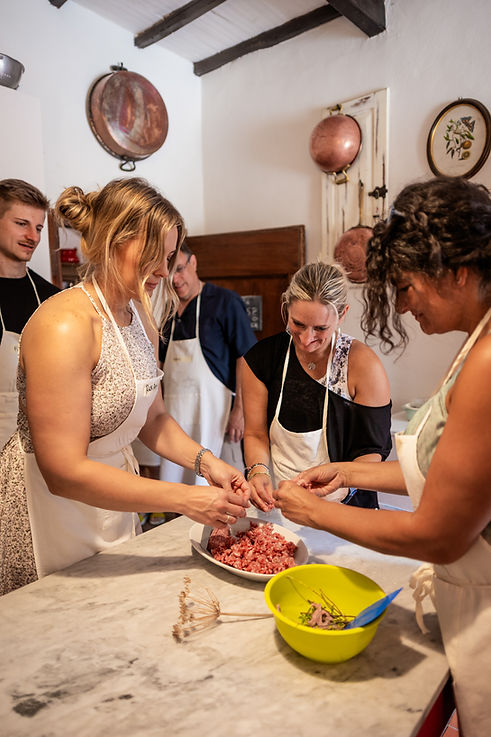
One meaningful experience—a village visit, cooking class, winery afternoon, artisan visit, or scenic walk—is often enough. The rest of the day can belong to a spontaneous lunch, a nap, a glass of wine, or a moment that was never on the itinerary.
The goal is not to fill every hour. It is to leave enough room to actually enjoy the hours you chose.
3. Let meals be part of the experience
In Tuscany, meals are not something to squeeze between sightseeing.
A long lunch in a small town, an aperitivo before dinner, a conversation with a restaurant owner, or a meal made with ingredients from the market can become some of the most memorable parts of a trip.
Slow travel gives you permission to sit down, stay awhile, and let the meal be the plan.
4. Make room for local life
The most beautiful Tuscany memories are often the ones you could not have found in a “top 10 things to do” list.
A morning coffee at the same bar. A local festival in the piazza. A conversation with a winemaker. A shopkeeper recommending their favorite cheese. A village you passed through because you had time to take the longer road.
Slow travel is not about avoiding well-known places. It is about making space for the Italy that exists beyond them.
5. Leave room to follow your curiosity
A good itinerary should support you, not control you.
Maybe you wake up and decide to stay in your village instead of driving an hour away. Maybe a market catches your attention. Maybe you find a restaurant where you want to linger longer than planned.
That is not wasted time.
That is often the point.

What does a slow day in Tuscany look like?
There is no single right way to have a slow day. But it might look something like this:
You wake up without rushing and enjoy breakfast near where you are staying. You spend the morning exploring one nearby village or visiting a local market.
You settle into a long lunch—without looking at the clock.
Later, you return to your home base for a rest, a swim, a book, or a walk. In the evening, you have an aperitivo in the piazza before dinner.
You did not “do nothing.”
You noticed where you were.
Start planning your slower Tuscany trip
Whether you are dreaming about your first trip to Italy or returning to Tuscany with a different intention, begin with the question:
How do I want this trip to feel?
Explore these guides to create a Tuscany itinerary with more connection and less rushing:
Understand the philosophy:
Plan you trip:
Choose the place:

Frequently asked questions about slow travel in Tuscany
Is 7 days enough for a slow trip to Tuscany?
Yes. Seven days is enough to experience Tuscany slowly when you choose one home base and resist trying to cover the entire region. Plan a few meaningful outings, leave open time between them, and let your home base become part of the experience.
Should I stay in one place or split my time between two areas of Tuscany?
For one week, staying in one place is usually the more relaxing choice. Fewer hotel changes mean less time packing and driving—and more time to explore your surroundings, rest, and enjoy unplanned moments.
Do I need a car for slow travel in Tuscany?
Usually, yes—especially if you want to stay in small villages or the countryside, visit wineries, and explore beyond Florence and Siena. But slow travel does not mean driving every day. A car gives you freedom; your itinerary should still leave room to stay put.
Is slow travel in Tuscany good for a first-time visitor to Italy?
Absolutely. A first trip does not need to be a race through every major city. Tuscany is a wonderful place to begin because it offers history, food, wine, art, countryside, and village life in one region—without requiring you to change locations constantly.
Can a small-group trip still feel slow and personal?
Yes—when the group is intimate, the itinerary leaves room to breathe, and the experience is rooted in real local connection rather than moving from attraction to attraction. Truly Italy’s village experiences are intentionally limited to eight guests so the week can feel warm, flexible, and personal.

Start with a slower way to plan Tuscany
If you want help creating a Tuscany trip that feels meaningful instead of overfilled, begin with the free Slow Tuscany Starter Kit.
Inside, you’ll find simple planning questions, a home-base checklist, and a sample slow day to help you create a trip with more presence, connection, and room to enjoy Italy.
Get the Free Slow Tuscany Starter Kit →
Or, if you want personal help making the decisions that shape your trip:
Book a Tuscany Trip Planning Session →
And if you would rather experience Tuscany with an intimate group and local hosts: